
Context
In the highlands of Madagascar, small-scale farmers face severe soil degradation, chronic food insecurity and high vulnerability to climate change. Ferrallitic soils are poor in nutrients, making it difficult to achieve any sustainable improvement in crop yields. Yet the agroecological transition can offer natural and sustainable solutions to these challenges, notably by organic amendments and the restoration of soil biodiversity.
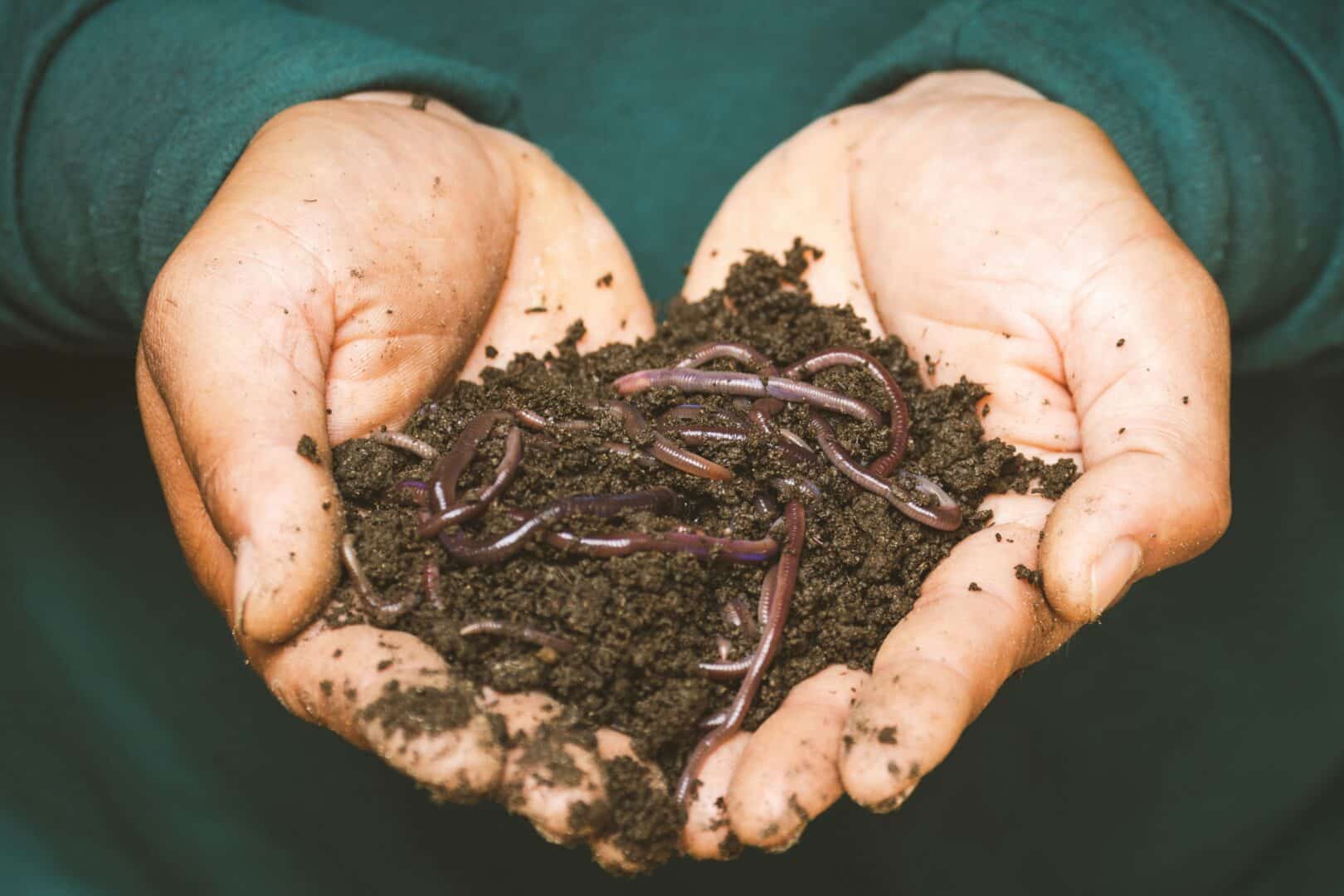
Earthworms, key agents in the functioning of ecosystems, and the vermicomposts they generate are little known and used by farmers, despite their high agronomic potential.
Innov’Earth takes this observation as a starting point for co-constructing innovative, adapted and reproducible practices with local players (farmers, researchers, NGOs).
Objectives
Innov’Earth aims to develop the use of earthworms and vermicomposts on Madagascan family farms, to improve soil fertility, crop resilience in the face of climatic hazards, and the nutritional quality of rice – a staple crop in the highlands.
The project is based on an interdisciplinary, participatory approach combining co-construction with farmers, field experiments and laboratory research.
60 % of Malagasy children suffer from chronic malnutrition in the highlands
75 worms/sq.m. inoculation density tested for beneficial species such as
6 Mg/ha dose of vermicompost applied in agronomic trials