
Context
Plant biodiversity is essential to the balance of ecosystems and life on Earth. Yet today, it is threatened by human activities and climate change: almost 40% of plant species are now on the brink of extinction (source: IUCN). Faced with this urgent need, a better knowledge and understanding of plant diversity is a key step towards better protection.
Objectives
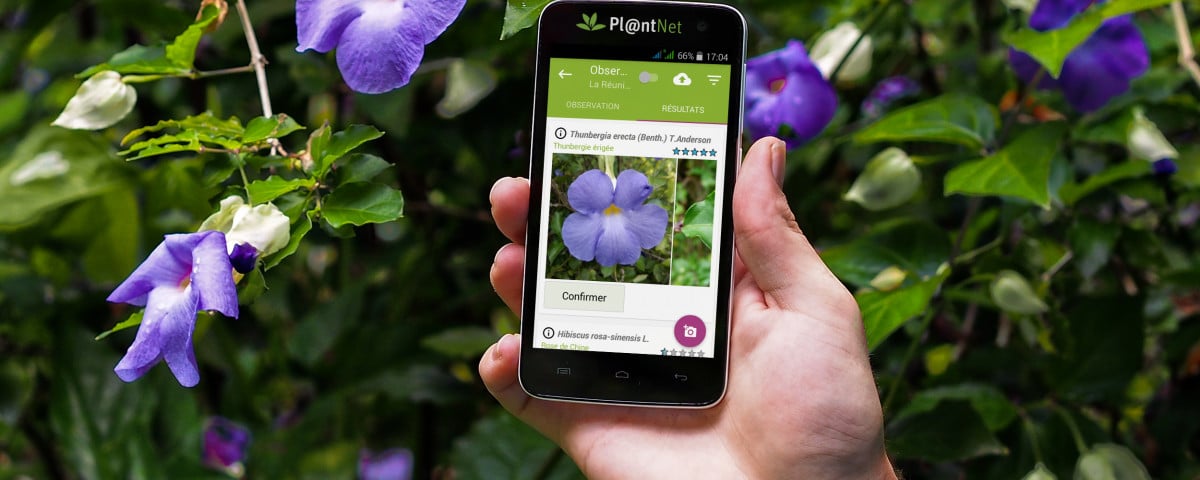
Pl@ntNet, launched in 2009 by researchers at Montpellier, is a collaborative application that allows users to identify plants from a photo, thereby contributing to a global inventory of plant biodiversity.
Using artificial intelligence and participatory science, it has referenced more than 50,000 species and collected millions of observations.
This scientific data is essential for research, raising public awareness and developing appropriate environmental policies.
More than 50,000 referenced species
Nearly 6 million users worldwide
40 available languages
reasons to support this project
- Enhance application performance with more precise artificial intelligence, wider geographical and taxonomic coverage, and new tools for agroecology (plant diseases, soil health, etc.).
- Develop educational tools to raise awareness of biodiversity and its conservation among the general public and younger generations.
- Guarantee that the application is free and accessible to all, thanks to the project's financial and scientific independence.